
How Do Custom Grace Plates Improve Prosthetic Fabrication?
Key Takeaways
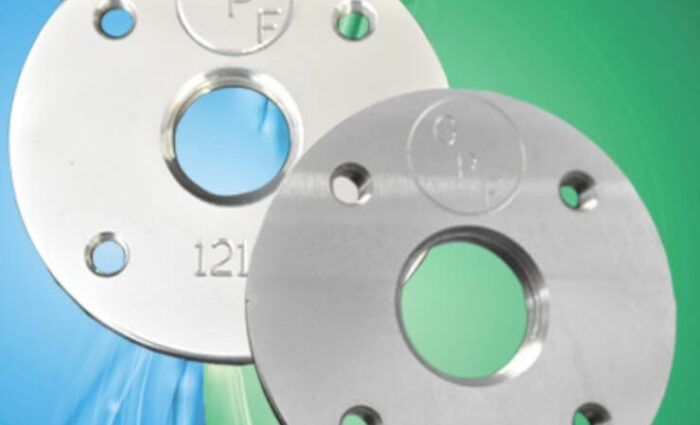
- Custom grace plates feature a distinct round design that allows technicians to align and drill a standard 4-hole pattern after socket fabrication.
- This post-fabrication versatility eliminates the risk of a plate shifting during resin lamination, reducing costly manufacturing errors.
- Available across the United States, these specialized adapter plates support multiple patient weight capacities and suspension styles, including suction and lanyard systems.
_________________________________________________________________________________________________________
Achieving precise component alignment is one of the most technical stages of prosthetic socket fabrication. Utilizing custom grace plates provides an elegant solution to a common laboratory headache.
Traditional square distal plates must be perfectly squared before resin lamination. If the material shifts under vacuum pressure, the alignment line is lost. By switching to a round adapter plate, technicians can complete the lamination first and drill the holes later, saving hours of corrective labor.
Why does a round plate layout prevent alignment errors?
A round plate configuration prevents alignment errors because it allows for rotation after the resin cures. Instead of guessing the correct square placement on a plaster model, the fabricator finishes the structural lamination first.
Once the socket is hard, you can look through the clear material or view the interior to establish the precise alignment line.
This post-fabrication drilling method provides several technical benefits:
- It removes the stress of a component shifting during the wet lamination pull.
- It works seamlessly with standard European 4-hole pattern componentry.
- It provides a flush, clean base that blends perfectly with structural carbon fiber.
- It reduces discarded sockets caused by misaligned attachment hardware.
What component options exist for different patient requirements?
Practitioners can select from more than a dozen specialized plate variations to accommodate different patient profiles. These adapters are engineered with high-strength aircraft aluminum to withstand active daily loads.
Whether your lab is building a lightweight pediatric socket or a heavy-duty adult system, matching the hardware to the patient’s functional needs protects the long-term safety of the prosthetic device.
These component modifications include:
- Standard 1210 adapters rated for standard 225-pound weight limits.
- Heavy-duty plates built to support weight limits up to 300 pounds.
- Dedicated suction plates that pair with integrated vacuum valves.
- Lanyard strap configurations designed specifically for pull-in suspension systems.
- Spacer and adapter plates that provide extra clearance for long residual limbs.
How does this component simplify clinical workflows across the United States?
Labs across the United States face intense pressure to deliver finished prosthetics with minimal turnaround times. Using dependable, standardized hardware minimizes the need for custom-machined parts or complex clinical workarounds.
Because these plates use a universal round geometry, any technician in your facility can reproduce the same high-quality socket base without extensive specialized training.
This reliability helps clinic owners maintain consistent quality standards across multiple regional lab locations.
Frequently Asked Questions
How do you protect the plate threads from resin during lamination?
Technicians should insert the assembly screws fully before starting the fabrication pull. Applying a small amount of petroleum jelly or plumbers putty over the screw heads effectively seals the threads.
This prevents liquid resin from locking the hardware in place during the cure.
Can custom grace plates be used with thermoplastic check sockets?
Yes, these adapters work with both laminated carbon fiber sockets and thermoplastic diagnostic check sockets. The round base can be secured with a quick-setting two-part epoxy to blend the plate smoothly into the plastic before final assembly.
What torque specification is required for the installation screws?
Standard installations require tightening the attachment screws to 12 Newton-meters or approximately 9 foot-pounds. Using a calibrated torque wrench guarantees a secure fit without stripping the high-strength aluminum threads.
Are there specific plates designed for pediatric patients?
Yes, specialized compact plates exist for smaller pediatric molds. These downsized adapters maintain the same alignment benefits while reducing the overall build height and weight for smaller children.
Optimize Your Laboratory Production Today
Optimizing your facility’s fabrication protocols means selecting componentry that simplifies lab labor while providing maximum durability for the end-user. Relying on time-tested components allows your technicians to focus on precise fits rather than fixing misaligned hardware.
Contact Our Fabrication Team Today at Grace Prosthetic Fabrication to stock up on genuine custom grace plates or to outsource your next complex fabrication project.