
Key Takeaways
- Innovative Round Design: Grace Plates feature a round shape that allows technicians to set socket alignment after lamination, eliminating shifts during curing.
- Streamlined Central Fabrication: Post-fabrication hole drilling eliminates misalignments, saving lab bench hours and reducing socket remakes for practices.
- Enhanced Structural Integrity: By distributing mechanical stresses evenly across distal connection points, Grace Plates protect lower limb prosthetic socket devices from cracking.
- Proven Efficiency & Versatility: Offered in over a dozen variations, Grace Plates streamline prosthetic fabrication while improving comfort and stability for patients.
Understanding Grace Plates in Lower Limb Central Fabrication
For doctors, clinical prosthetists, and independent prosthetic labs, delivering high-performance devices requires reliable manufacturing methods. When fabricating lower limb prosthetics, the structural connection between the socket and distal components is critical.
Historically, technicians struggled with standard square plates that had to be aligned perfectly prior to resin curing. Any slight shift during lamination meant scrapped materials and lost clinical time.
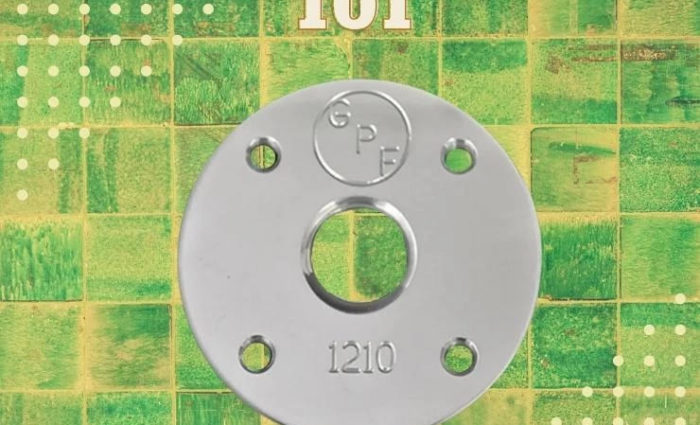
So, what are Grace Plates? Grace Plates are specialized adapter components designed to streamline the manufacturing of lower limb prosthetic socket devices. Developed directly by our team at Grace Prosthetic Fabrication, these innovative plates feature a distinct round shape.
This round geometry allows technicians to align and drill the standard 4-hole attachment pattern after resin lamination is complete. By enabling post-fabrication alignment, Grace Plates remove the risk of plates shifting during curing, ensuring superior precision for every custom lower limb build.
Understanding what Grace Plates are helps medical professionals evaluate how modern central fabrication practices improve patient outcomes while controlling operational costs.
The History of Grace Plates in Prosthetic Manufacturing
In central fabrication, necessity is often the mother of invention. Decades ago, standard industry practice relied on 4-hole square plates. Technicians had to position these square plates with exact precision before applying lamination resin. However, as resin cured, heating and tension would frequently cause the plate to twist slightly out of square.
Fixing this mistake required cutting the socket apart or starting lamination over.
Recognizing this major flaw, our team pioneered a simple yet revolutionary solution: a round lamination plate. Exploring the history of Grace Plates for prosthetic fabrication reveals how this shift from square to round transformed the industry.
Because a circle has no fixed corners, a round plate can be laminated into the distal cup of a lower limb socket without worrying about rotational position.
Once the resin sets, technicians look inside the clear socket and drill the 4-hole pattern in perfect alignment with the patient’s anatomical axis.
Today, the original design has evolved into a versatile family of adapter plates, including lock plates, spacer plates, suction plates, and pediatric models.
What Are the Benefits of Grace Plates?
When clinics partner with Grace Prosthetic Fabrication, integrating these components into lower limb devices yields immediate clinical and financial advantages.
Here is an overview of the benefits of Grace Plates for doctors, clinics, and labs:
1. Flawless Alignment Precision
Proper socket alignment is vital for stable gait mechanics and patient comfort. Standard lamination methods often lead to minor alignment shifts that force clinicians to spend extra time making chairside modifications.
Discovering how Grace Plates improve alignment highlights how our post-fabrication drilling technique ensures exact placement every time. This precision reduces skin breakdown, prevents unnatural walking habits, and optimizes energy transfer.
2. Reduced Fabrication Time and Bench Hours
Time spent re-doing failed lamination cycles directly impacts clinical productivity. Learning how Grace Plate benefits reduce prosthetic fabrication time demonstrates how eliminating alignment errors cuts lab bench time dramatically.
By streamlining the lamination stage, our central fabrication lab builds and ships completed lower limb prosthetics in three to four business days.
3. Maximum Efficiency for Clinical Practices
Outsourcing lower limb builds to a central fabrication lab that utilizes Grace Plates minimizes material waste and overhead. Examining how Grace Plates improve efficiency reveals how clinics save money annually by reducing in-house grinding, chemical handling, and socket remakes.
Doctors can spend less time managing lab tasks and more time treating patients.
4. Superior Durability and Stress Distribution
Lower limb prosthetic socket devices must withstand significant impact forces during daily walking and physical activity.
Grace Plates distribute mechanical stress evenly across the distal connection, preventing stress concentrations that lead to socket cracking. This durable foundation extends the service life of prosthetic devices.
Supporting Doctors, Clinics, and Labs Nationwide
At Grace Prosthetic Fabrication, our ABC-accredited central fabrication facility acts as a seamless partner for medical professionals. We understand that clinical practices need reliable turnarounds, consistent socket fits, and top-tier materials.
By standardizing our lower limb lamination process around high-quality Grace Plates, 3D printing technology, and carbon fiber reinforcement, we ensure that every lower limb device leaving our facility meets strict quality standards.
Whether your clinic needs help managing seasonal patient volume spikes or wants to fully outsource socket fabrication, our team delivers the technical expertise required to elevate your practice.
Frequently Asked Questions
What are Grace Plates and how do they work in prosthetic fabrication?
Grace Plates are round lamination adapter plates used in lower limb prosthetic socket devices. Their round design allows central fabrication technicians to laminate the plate first and drill the standard 4-hole alignment attachment afterward, guaranteeing exact alignment.
How do Grace Plates benefit doctors and prosthetic clinics?
They eliminate alignment errors caused by resin curing shifts, which drastically reduces socket remakes, shortens turnaround times, and lowers lab labor expenses for clinics.
Can Grace Plates be used for both above-knee and below-knee lower limb prosthetics?
Yes. Grace Plates are designed for all types of lower limb prosthetics, including transtibial (below-knee), transfemoral (above-knee), and pediatric lower limb socket builds.
How do Grace Plates improve long-term socket durability for lower limb patients?
Grace Plates distribute weight and impact forces evenly across the distal end of the prosthetic socket, protecting the carbon fiber matrix from cracking or delaminating during high-impact activities.
How can our clinic order custom lower limb prosthetics built with Grace Plates?
Practices can contact Grace Prosthetic Fabrication directly by phone or email to submit patient casts, CAD files, or work orders for complete lower limb central fabrication services.