Below Knee Prosthetic Legs

Home > Below Knee Prosthetic Legs

Below Knee Prosthetic Legs

High-Performance Fabrication for Clinics and Practitioners

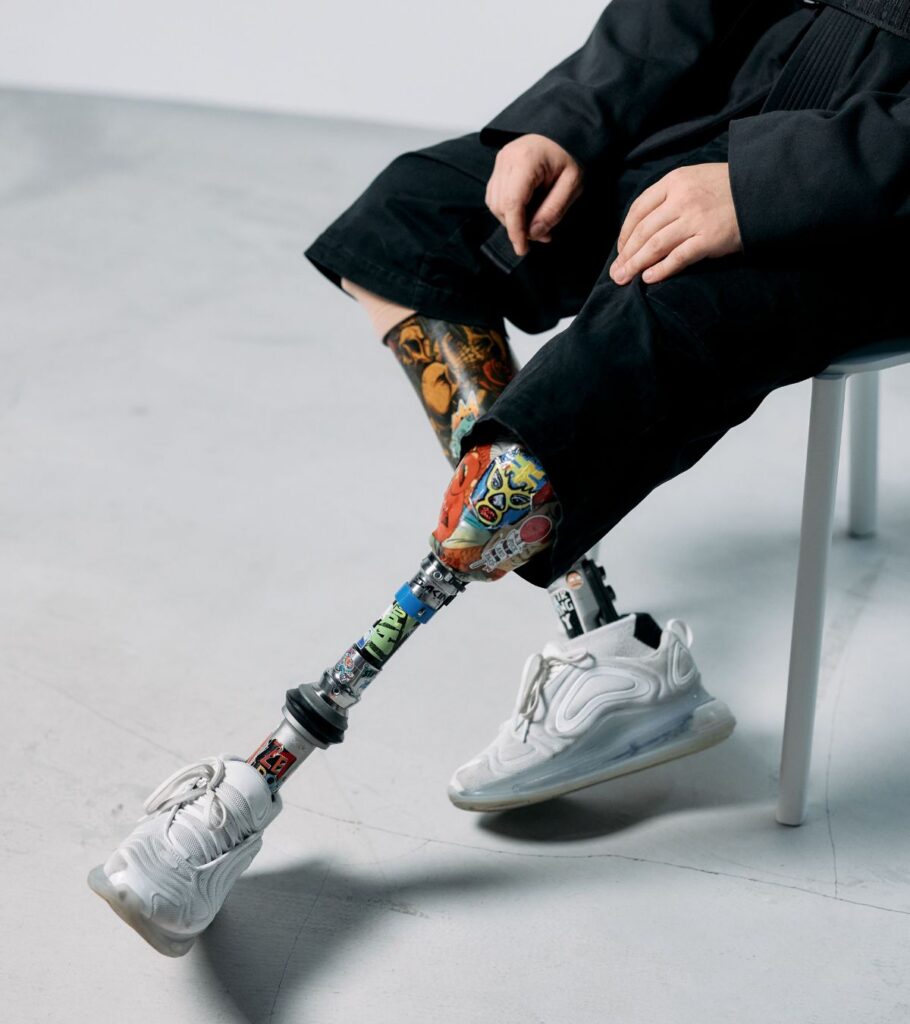
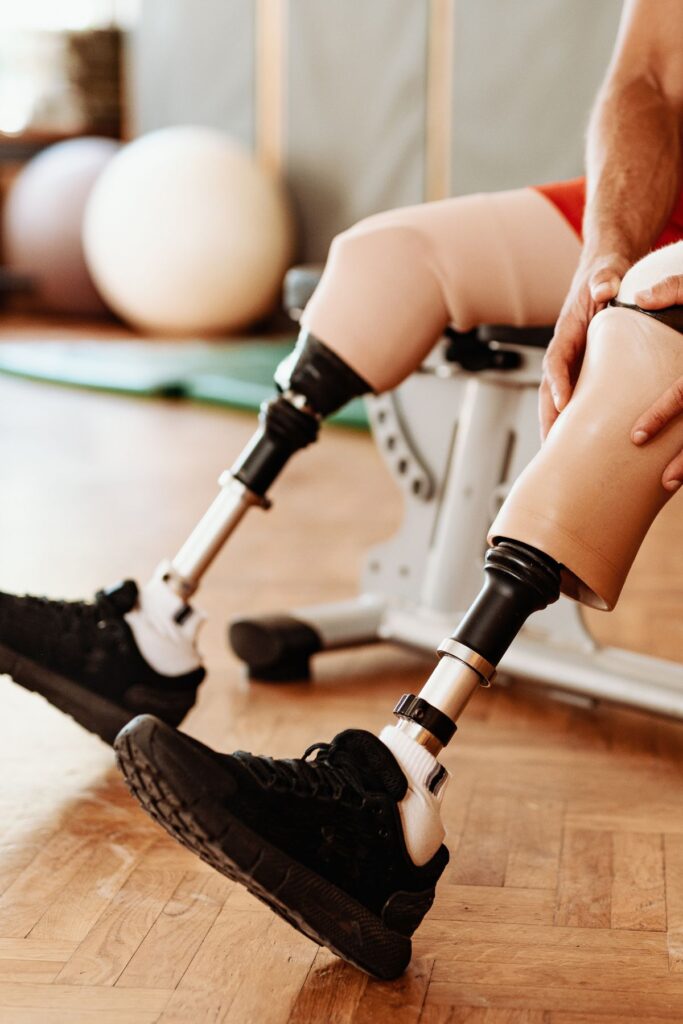
A below the knee prosthetic leg is a custom-engineered device designed for patients with a lower limb amputation below the knee joint. For optimal patient outcomes, these prosthetic limbs must deliver a precise fit, stable suspension system, and proper alignment to restore natural gait, mobility, and confidence.

Clinics and prosthetic practitioners rely on advanced fabrication partners to ensure each device matches the patient’s residual limb anatomy, activity level, and rehabilitation goals.

When fabricated with high-quality materials, advanced socket technology, and accurate alignment, below knee prosthetics can support a wide range of patient needs, from basic daily walking to high-impact sports. Proper design minimizes skin breakdown, ensures comfort, and maximizes functional performance during physical therapy and long-term use.

Clinical Priorities in Below Knee Prosthetic Fabrication

Doctors, prosthetists, and physical therapists know that below knee prosthetic legs are not “one-size-fits-all.” Every patient’s residual limb, suspension system requirement, and gait pattern must be assessed before fabrication. Key clinical considerations include:

Residual limb shape and condition – Ensuring optimal socket contour to reduce pressure points and enhance weight distribution.
Suspension system selection – Pin lock, suction, vacuum, or sleeve systems to match patient comfort, activity level, and limb volume fluctuations.
Prosthetic foot choice – From basic SACH feet to dynamic-response carbon fiber feet for higher activity levels.
Alignment and gait restoration – Adjustments to promote symmetrical walking and reduce strain on the sound limb.
Durability and maintenance – Material selection to withstand daily use and environmental conditions.
Below Knee Prosthetic Legs

Key Benefits of a Well-Fabricated Below Knee Prosthetic Leg

When created to clinical specifications, a below knee prosthetic leg provides measurable improvements in patient function and quality of life:

Enhanced Comfort – Anatomically contoured sockets reduce friction and skin irritation.
Improved Mobility – Designed to support natural gait and stability on various terrains.
Activity-Level Matching – Components chosen to meet the patient’s daily and recreational needs.
Long-Term Durability – High-strength materials resist wear, reducing the need for frequent repairs.
Optimized Rehabilitation Outcomes – Supports effective physical therapy and faster return to independence.
Below Knee Prosthetic Legs

Types of Below Knee Prosthetics Commonly Prescribed

Clinics may request fabrication for various below knee prosthetic legs depending on patient needs:

Standard BK Prosthetic Leg – For general mobility and daily activities.
High-Activity / Sports Prosthetics – Lightweight, energy-return feet for running, hiking, or competitive athletics.
Adjustable Volume Sockets – For patients with fluctuating limb volume due to post-surgical changes or lifestyle.
Specialized Work Prosthetics – Built for heavy-duty or hazardous work environments requiring specific durability standards.

Collaboration Between Clinics and Fabrication Labs

Effective below knee prosthetic fabrication is a collaborative process between:

Physicians and surgeons

Provide medical history, amputation details, and post-op healing status.

Prosthetists

Supply measurements, patient activity goals, and socket design specifications.

Physical therapists

Share gait analysis data and rehabilitation progress.

Fabrication specialists

Transform clinical data into a high-functioning, patient-ready device.

How Fabrication Impacts Patient Outcomes

The success of a below knee prosthetic depends on the precision of central fabrication. Accurate measurements, expert socket lamination, and proper integration of components ensure:

Secure fit to reduce pistoning and instability.
Efficient energy transfer from socket to foot.
Balanced weight distribution to reduce overuse injuries.
Adaptability for future adjustments as the patient’s needs evolve.

For clinics, partnering with an experienced fabrication provider means faster turnaround times, consistent quality control, and reduced remakes, directly impacting patient satisfaction and rehabilitation progress.

Below Knee Prosthetic Legs

FAQs

The timeline depends on your clinic’s evaluation process, measurements, and the fabrication schedule. On average, it can take several weeks from casting to delivery.
Some adjustments are often necessary after initial fitting. Your prosthetist will fine-tune the socket and alignment to maximize comfort.
This depends on your activity level, residual limb changes, and component wear. Many patients require a replacement socket or new components every few years.
Specialized prosthetic feet and components are available for activities like running, swimming, and cycling. Your prosthetist can recommend the right setup.
Daily cleaning of the socket liner, regular inspection for wear, and attending follow-up appointments help maintain performance and comfort.

Partner with Grace Prosthetic Fabrication

For clinics seeking precision-built below knee prosthetic legs that deliver consistent performance, Grace Prosthetic Fabrication offers expert central fabrication services. Our experienced technicians work exclusively with medical professionals to create prosthetic limbs that meet the highest standards of comfort, durability, and function. From accurate socket design to advanced component integration, we ensure each device is tailored to the patient’s clinical profile and activity level.

Contact Grace Prosthetic Fabrication today to discuss your next below knee prosthetic case and experience fabrication quality you can trust.